

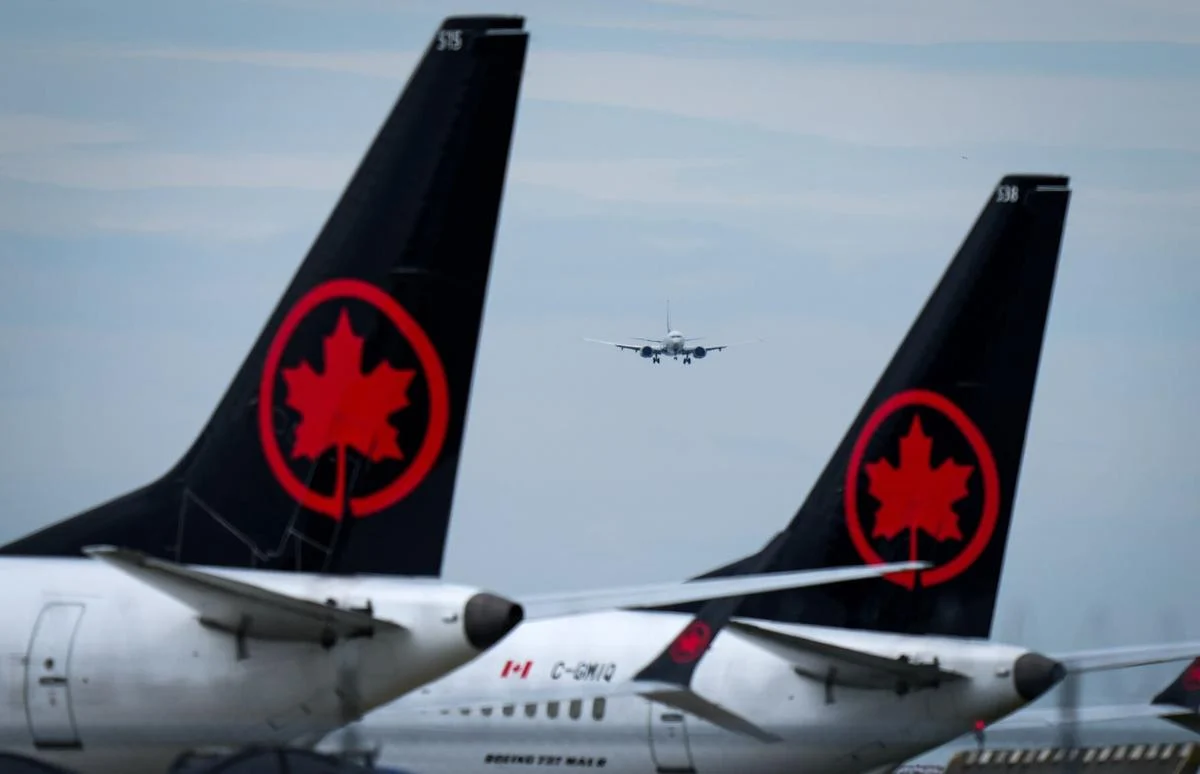
Air Canada Vacations has announced a significant change for Canadian travelers planning their next getaway, implementing a CAD $50 fuel surcharge for new vacation bookings that include flights, effective April 6, 2026. This additional cost will be applied to all sun destination packages, complementing existing taxes and travel booking fees at the time of reservation, marking a notable shift in the vacation package pricing landscape.
Understanding the Air Canada Vacations Fuel Surcharge
The fuel surcharge announcement represents Air Canada Vacations’ direct response to the ongoing global rise in airline fuel costs, which have significantly impacted travel operators worldwide throughout 2025 and into 2026. Industry analysts note that jet fuel prices have increased by approximately 35% over the past 18 months, creating substantial pressure on airlines and vacation package providers to adjust their pricing structures accordingly.
Importantly, this surcharge will only affect new bookings made after the implementation date, ensuring that travelers who have already reserved their vacations are protected from unexpected cost increases. This approach demonstrates the company’s commitment to honoring existing commitments while adapting to current market realities.
The surcharge specifically targets sun destination packages, which typically include popular Caribbean, Mexican, and Central American resorts. These destinations remain among the most sought-after vacation spots for Canadian travelers, particularly during the winter months when demand for warm-weather escapes peaks.
Travel Industry Expert Analysis and Reactions
Judith Coates, an experienced travel advisor with over two decades in the industry, views this development as an anticipated consequence of rising fuel prices. She advises clients to consider booking their holidays soon to avoid potential vacation cost increases. “Clients have expected that they will see increases in pricing due to fuel costs. So, travel advisors are using Air Canada Vacations’ announcement to encourage those uncertain about booking,” Coates observed.
The ripple effects of this decision extend beyond Air Canada Vacations, with other travel advisors predicting that the fuel surcharge might prompt competing airlines and tour operators to implement similar measures. This trend suggests travelers should book now for upcoming summer or Christmas trips to secure current rates, aligning with the broader wisdom among Canadian travel advisors about managing potential future surcharges.
Brenda Slater, another expert in the field, remains optimistic that the new surcharge will not deter travelers eager to escape to sunnier locales. “I am confident it won’t be a significant issue. Those who wish to travel will find a way,” Slater stated, highlighting the resilience of dedicated travelers who view vacation expenses as essential rather than discretionary.
Kim Machan, a seasoned travel advisor, expresses a broader economic perspective, noting that while the $50 increase may not drastically alter individual travel decisions, rising fuel costs could have wider implications beyond the travel sector. “At $50, it’s unlikely to have a huge impact on most travelers’ decisions or my ability to sell. It’s a relatively modest increase in the larger context,” Machan remarked, though she cautioned about the broader economic impact of rising fuel prices on consumer spending patterns.
Broader Industry Context and Competitive Response
Peter Fitzpatrick from Air Canada emphasized that this adjustment applies exclusively to vacation packages, remaining separate from regular airfare charges influenced by market dynamics and competitive pressures. This distinction is crucial for travelers to understand, as it means those booking flights separately may face different pricing structures.
In parallel developments, Porter Airlines has introduced its own surcharge strategy, demonstrating an industry-wide trend in response to escalating jet fuel prices. Porter recently initiated a CAD $40 fuel surcharge on VIPorter flight redemptions, resonating with Air Canada’s strategy and suggesting coordinated industry adaptation to fuel cost pressures.
These surcharges underscore the ongoing volatility in global fuel prices, driven by geopolitical tensions, supply chain disruptions, and increased travel demand as the industry continues recovering from previous challenges. Market analysts predict that fuel costs may remain elevated throughout 2026, potentially leading to additional adjustments across the travel sector.
Looking Ahead: Future Travel Planning Considerations
As travelers plan their vacations, staying informed about airfare and travel cost changes remains vital for making informed decisions. The fuel surcharge implementation represents a new reality in travel pricing that consumers must factor into their vacation budgets. Travel advisors recommend that clients consider booking their preferred destinations sooner rather than later to lock in current pricing before potential additional increases.
The collective response of the industry highlights both the resilience of the travel sector and the adaptability required amid fluctuating fuel costs. Monitoring how these surcharges evolve could offer meaningful insights into broader economic impacts and guide future travel decisions, ensuring Canadian travelers can continue enjoying their favorite sun destinations while managing evolving costs effectively.

