

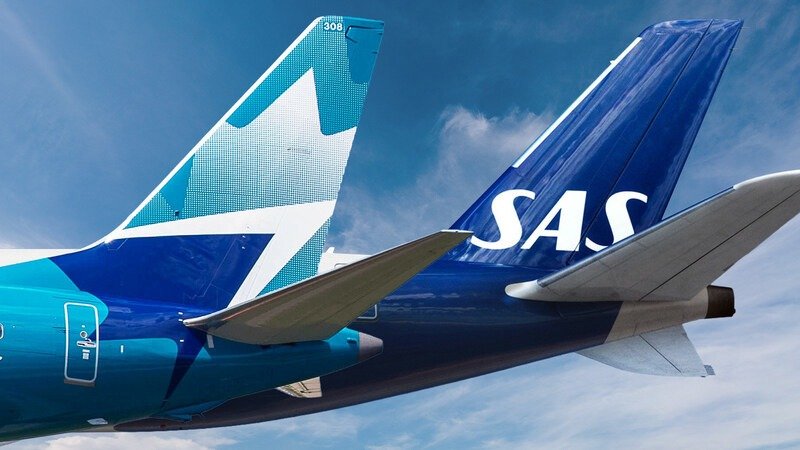
WestJet has embarked on an ambitious journey with the launch of a new seasonal service connecting Halifax to Copenhagen, starting May 2026. This development is a key extension of the WestJet SAS partnership, designed to broaden travel options for Canadian and European passengers alike. By merging their efforts, WestJet and Scandinavian Airlines System (SAS) aim to elevate the transatlantic travel experience and create new opportunities for tourism and business travel.
WestJet SAS Partnership: Strategic Expansion and Enhanced Connectivity
The forthcoming Halifax-Copenhagen route is part of WestJet’s broader strategy to enhance its collaboration with SAS. This codeshare agreement, originally revealed in a December 2025 update, has already inaugurated new routes from Calgary to major European hubs such as Paris and London through SAS centers, including Copenhagen, Oslo, and Stockholm.
The Halifax-Copenhagen route represents a significant enhancement of Atlantic Canada travel routes, offering travelers single-ticket itineraries with through-checked baggage, seamlessly integrated with the WestJet Rewards program. From the hub at Copenhagen, passengers can access numerous destinations across Scandinavia, such as Stockholm, Goteborg, Oslo, Bergen, Stavanger, Trondheim, Aalborg, and Helsinki, effectively opening up an entire region to Atlantic Canadian travelers.
This strategic positioning leverages Halifax’s geographical advantage as one of North America’s easternmost major airports, reducing flight times to Europe and offering passengers a more convenient gateway to Scandinavian destinations than traditional routing through larger hubs like Toronto or Montreal.
Frequent Services Transform Transatlantic Travel Options
Operating four times weekly during the summer season, this new route exemplifies WestJet’s dedication to providing frequent and reliable connections. The service schedule is strategically designed to accommodate both leisure travelers seeking Nordic adventures and business passengers requiring flexible travel options between Canada’s Maritime provinces and Scandinavia’s thriving economic centers.
Additionally, SAS will add its SK code to the Halifax-Copenhagen service, streamlining connectivity for travelers across the Scandinavian region and into Atlantic Canada. This reciprocal arrangement allows both airlines to market the service to their respective customer bases, maximizing load factors and route viability.
John Weatherill, Executive Vice President and Chief Commercial Officer of the WestJet Group, emphasized, “This partnership enhancement strengthens WestJet and SAS’ efforts to strategically interconnect our networks, simplifying travel planning for our shared guests. Whether for business or leisure, this new codeshare connection with SAS, a five-star APEX-awarded partner, via the new service between Halifax and Copenhagen, offers even more choice for Europeans and Canadians.”
Economic Impact and Tourism Opportunities
This expansion is part of a long-standing cooperation between WestJet and SAS, designed to offer convenient routing and competitive travel choices, boosting tourism and business travel between North America and Europe. Historically, Halifax acts as a pivotal hub, bridging North America and Europe—a perfect alignment with the goals of the WestJet SAS partnership.
The new route is expected to generate significant economic benefits for both regions. Atlantic Canada’s tourism industry stands to benefit from increased European visitor arrivals, while Canadian businesses will gain improved access to Scandinavian markets known for their innovation in technology, renewable energy, and sustainable practices.
Local tourism boards in Nova Scotia have already begun planning marketing initiatives targeting Scandinavian travelers, highlighting the region’s cultural connections, natural beauty, and maritime heritage that resonates strongly with Nordic visitors.
Industry Implications of Strategic Airline Collaborations
For airlines, codeshare agreements like this one provide a competitive advantage by broadening networks without the need for additional aircraft resources or regulatory approvals in multiple markets. These partnerships enable airlines to efficiently offer consumers a wider range of destinations while sharing operational costs and risks.
Passengers benefit from seamless travel experiences, competitive pricing, and increased loyalty rewards. The integration of frequent flyer programs means travelers can earn and redeem points across both networks, adding significant value to the customer proposition.
As the global travel landscape continues its post-pandemic recovery, the WestJet SAS partnership initiative represents a positive outlook on revitalizing air travel, underscoring the industry’s focus on enhanced connectivity and convenience. Industry analysts view such partnerships as essential for smaller carriers to compete effectively with larger alliance networks.
The launch of the Halifax-Copenhagen route signifies bold collaborations poised to redefine regional travel experiences. With this new chapter, WestJet and SAS are positioned to maximize their partnership for enduring market influence, paving the way for future developments in transatlantic air travel and setting a precedent for other regional carriers seeking to expand their international reach through strategic alliances.

