

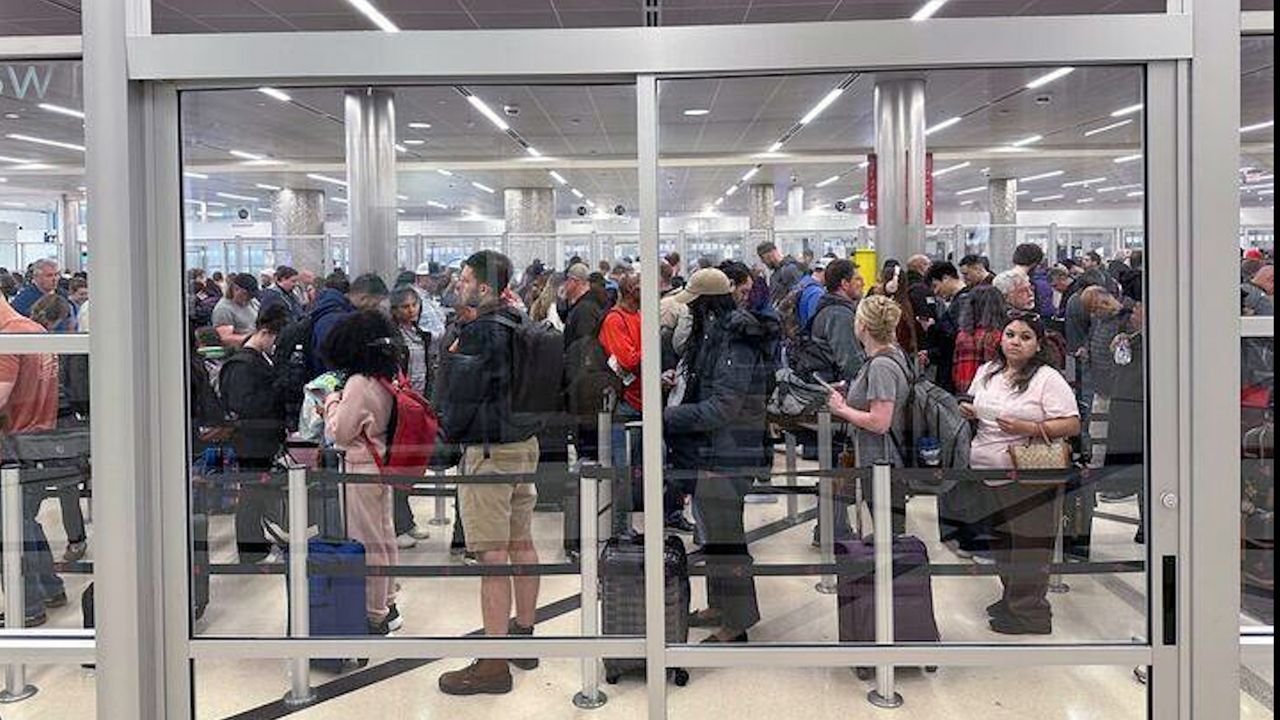
Spring Break Chaos: Navigating Weather and TSA Delays
Spring break travel chaos is wreaking havoc across major U.S. airports this week, as severe weather patterns and prolonged TSA delays create unprecedented challenges for millions of travelers. A combination of severe storms and the lingering impact of an ongoing government shutdown has led to a dramatic increase in flight cancellations and delays at some of the country’s busiest aviation hubs, leaving passengers stranded and frustrated during what should be a relaxing holiday period.
As of early Monday, airports nationwide reported higher-than-average flight cancellations, with industry experts identifying a perfect storm of adverse weather conditions and extended security waits as primary culprits. Even travelers fortunate enough to avoid canceled flights found themselves battling TSA delays, with checkpoint wait times soaring to an unprecedented 180 minutes over the previous weekend—nearly triple the typical processing time.
Houston and Atlanta: Weather and Shutdown Amplify Disruptions
The Department of Homeland Security revealed a shocking statistic: Houston Hobby International Airport experienced an unprecedented 55% callout rate among TSA employees on Saturday, highlighting the severe toll the ongoing shutdown has taken on airport operations. This staffing crisis, combined with severe weather patterns, has created an almost insurmountable challenge for those seeking smooth travel experiences during the peak spring break period.
Hartsfield-Jackson Atlanta International, the world’s busiest airport by passenger traffic, faced particularly severe disruptions Tuesday morning. The convergence of severe weather systems created a ‘perfect storm’ scenario, prompting over 300 flight cancellations due to FAA-imposed ground stops. While meteorologists predict improving conditions—with temperatures expected to climb above 75°F by Saturday—operational challenges persist. TSA wait times stretched to 127 minutes Tuesday morning due to chronic staffing shortages, prompting authorities to recommend travelers arrive a minimum of three hours before departure times.
Charlotte, Chicago, and Effects of Winter Storm Iona
Similar chaos unfolded at Charlotte Douglas International Airport, where severe thunderstorms triggered ground stops that devastated Monday’s flight schedule. Approximately 25% of flights faced cancellation, with an additional 40% experiencing significant delays, creating a ripple effect throughout the Southeast’s transportation network. Fortunately, operations had largely normalized by Tuesday morning, with security checkpoint waits returning to more manageable levels.
Chicago’s O’Hare International Airport bore the brunt of Winter Storm Iona’s impact, recording over 1,000 flight cancellations on Monday—marking the highest single-day cancellation count for the current season. While some runway operations resumed Tuesday, a substantial backlog persisted, though TSA processing times remained relatively manageable at an average of 20 minutes.
Florida’s Spring Break Turbulence: Orlando and Tampa
Florida’s major airports in Orlando and Tampa struggled with the dual challenge of managing enormous spring break passenger volumes while contending with severe weather disruptions. Both destinations, critical gateways for spring break travelers, battled the lingering effects of Winter Storm Iona combined with intense thunderstorm activity. In Orlando, widespread late-night cancellations forced hundreds of travelers to spend the night camping on terminal floors, underscoring the severity and human cost of these disruptions.
The economic impact extends beyond individual travel plans, with airlines facing millions in lost revenue and airports scrambling to accommodate stranded passengers. Hotel rates near affected airports have surged as travelers seek alternative accommodations, while rental car companies report unprecedented demand from passengers attempting to complete their journeys by road.
Preparing for Continued Travel Chaos
As spring break travel chaos continues to unfold, industry experts recommend travelers prepare for extended disruptions by building substantial buffer time into their itineraries and maintaining flexibility with travel dates. Airlines have begun waiving change fees for affected routes, though rebooking options remain limited during this peak travel period.
Travel insurance claims related to weather delays have increased by 300% compared to the same period last year, highlighting the unprecedented nature of current disruptions. While weather forecasters predict gradual stabilization in the coming days, the combination of unpredictable weather patterns and ongoing TSA staffing challenges suggests continued volatility in the travel landscape throughout the remainder of spring break season.

