

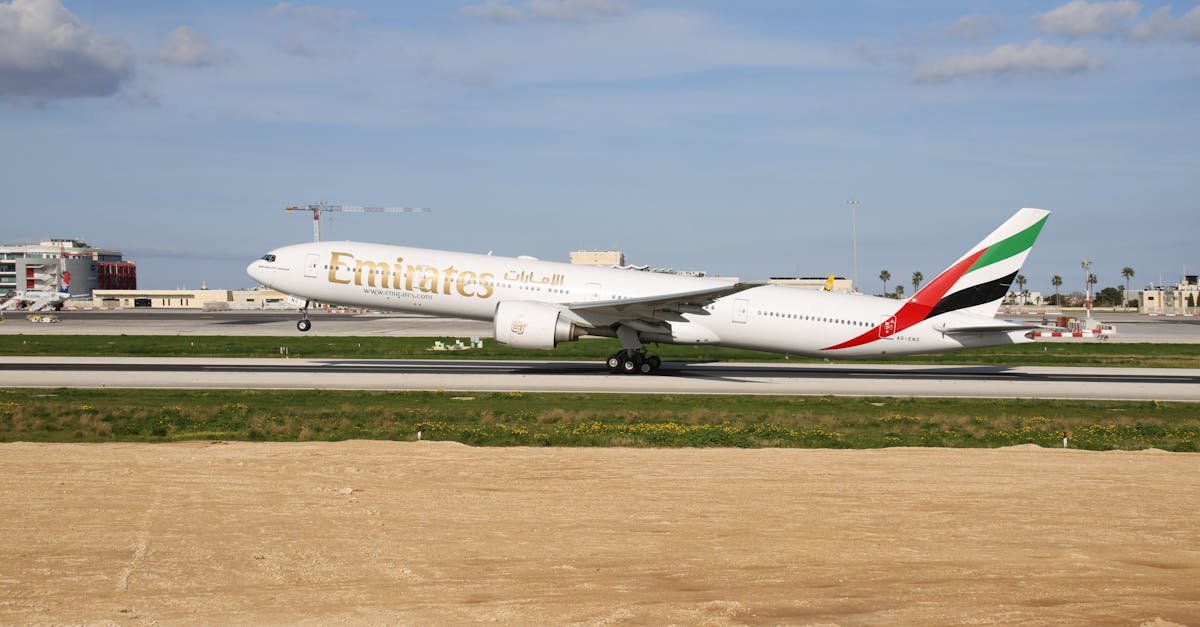
UAE Flight Resumption Unfolds as Emirates and Etihad Restart Operations
The sky above the United Arab Emirates (UAE) begins to clear as limited flights resume, marking a promising yet cautious step back toward aviation normalcy. UAE flight resumption efforts are currently spearheaded by major airlines including Emirates, Etihad Airways, Air Arabia, and flydubai. This return signifies a resurgence in the aviation sector, a vital component of global connectivity that had faced unprecedented challenges in recent months due to operational disruptions and airspace restrictions.
The gradual restoration of flight services represents more than just operational recovery—it signals the UAE’s commitment to maintaining its position as a critical global aviation hub connecting East and West. Industry analysts estimate that the UAE’s aviation sector contributes approximately $47 billion to the national economy, making this resumption crucial for economic stability and growth.
Emirates Flights Update: A Reviving Giant
As of March 7, Dubai-based Emirates Airlines has restarted its engines, albeit on a reduced schedule after a temporary halt. Initially promising a suspension lift by 11:59 PM on March 7, Emirates advises passengers with confirmed bookings to verify their flight statuses diligently. While operational, some routes remain susceptible to cancellation, with the airline ambitiously eyeing a swift return to its full flight roster.
Emirates’ phased approach includes prioritizing key destinations across Europe, Asia, and North America, with particular focus on routes serving business travelers and cargo operations. The airline has implemented enhanced safety protocols and flexible rebooking policies to accommodate the evolving travel landscape. CEO Tim Clark emphasized that the resumption represents Emirates’ unwavering commitment to maintaining Dubai’s status as a premier global aviation gateway.
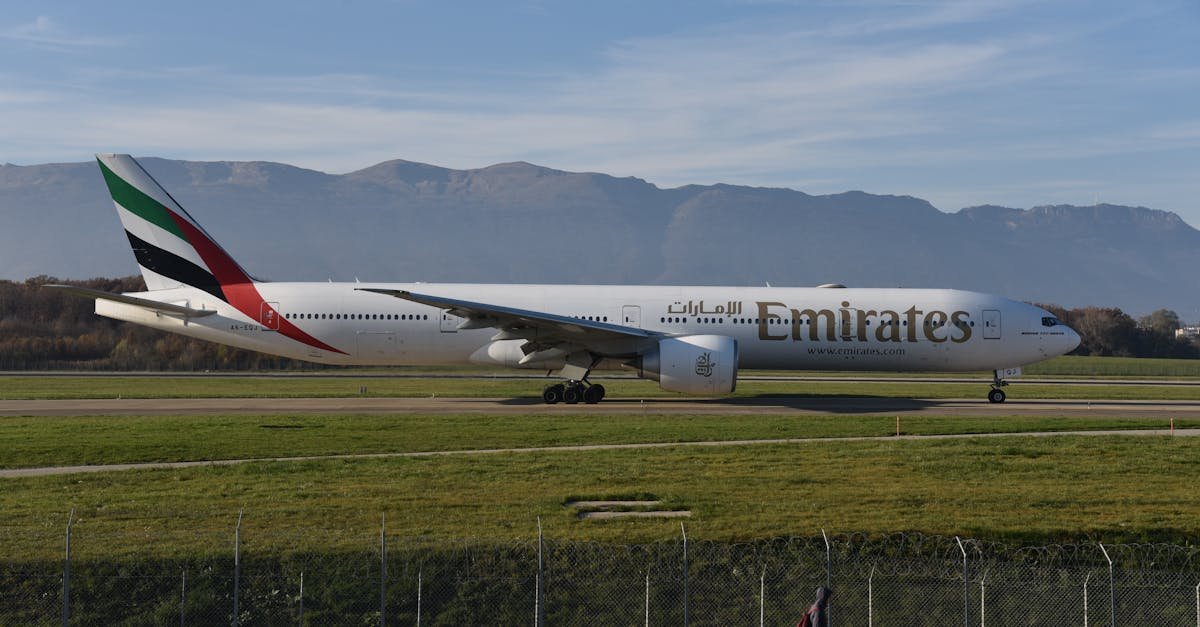
Etihad Airways Schedule Innovation
In alignment, Etihad Airways began its limited operational stride from Abu Dhabi on March 6. The airline’s reduced schedule connects travelers to major international cities including London, New York, Sydney, and Mumbai, with hopes to expand destinations as global restrictions continue to lift. This strategic restart illustrates Etihad’s innovation and commitment to connecting the UAE with the world, underscoring the dynamic nature of the aviation industry.
Etihad has introduced a comprehensive “Etihad Wellness” program, featuring enhanced aircraft sanitization, modified meal services, and contactless check-in procedures. The airline is also leveraging its cargo capabilities to support global supply chains, particularly for medical supplies and essential goods, demonstrating the multifaceted role of aviation in international commerce.
Flydubai Operations Underway
Meanwhile, flydubai has been invigorated by the ‘special flights’ program, an initiative primarily designed to assist stranded passengers. Operating from Dubai, flydubai’s resumption embodies a broader effort to ease mobility throughout the region, particularly serving destinations across the Middle East, Africa, and South Asia that rely heavily on Dubai as a transit hub.
The low-cost carrier has adapted its business model to accommodate current market conditions, offering more flexible fare structures and enhanced customer service support. This approach not only aids stranded travelers but also supports the gradual reopening of international travel corridors to emerging markets.
Air Arabia Flights from Strategic Hubs
Air Arabia‘s hubs in Sharjah, Abu Dhabi, and Ras Al Khaimah are seeing a resurgence of activity. Responding to market demand, they now offer flexible rebooking and refunds, reflecting their adaptive strategies amidst a turbulent period for aviation. Their approach highlights the importance of customer-centric policies in rebuilding traveler confidence across price-sensitive market segments.
International Carriers and Regional Impact
Further afield, Indian carriers have begun to navigate back into the UAE airspace, with operations from key cities like Abu Dhabi, Dubai, and others stepping up to meet the substantial demand for routes between India and the UAE. This corridor represents one of the world’s busiest international travel routes, serving both business and leisure travelers as well as the large expatriate community.
British and European airlines remain cautious about full operational resumption as they navigate ongoing airspace limitations and varying international travel restrictions. This cautious approach reflects the complex regulatory environment affecting global aviation recovery.
Aviation Industry Recovery Prospects
This cautious reopening by the UAE’s aviation industry sends a hopeful signal to the broader travel sector. Industry experts project that the recovery will be gradual, with business travel likely to return more slowly than leisure travel. The UAE’s strategic position and world-class infrastructure position it well to capture market share as global travel demand rebounds.
Looking Forward: A Reconnection in Progress
The UAE flight resumption represents a critical milestone in global aviation recovery. While travelers can now access more routing options, flexibility and patience remain essential as the industry navigates ongoing operational challenges. The success of these initial operations will likely influence the pace of expansion for other international carriers and routes. As the aviation sector rebuilds, the UAE’s proactive approach positions it as a leader in the global recovery, fostering both economic growth and international connectivity that will benefit travelers worldwide.

