

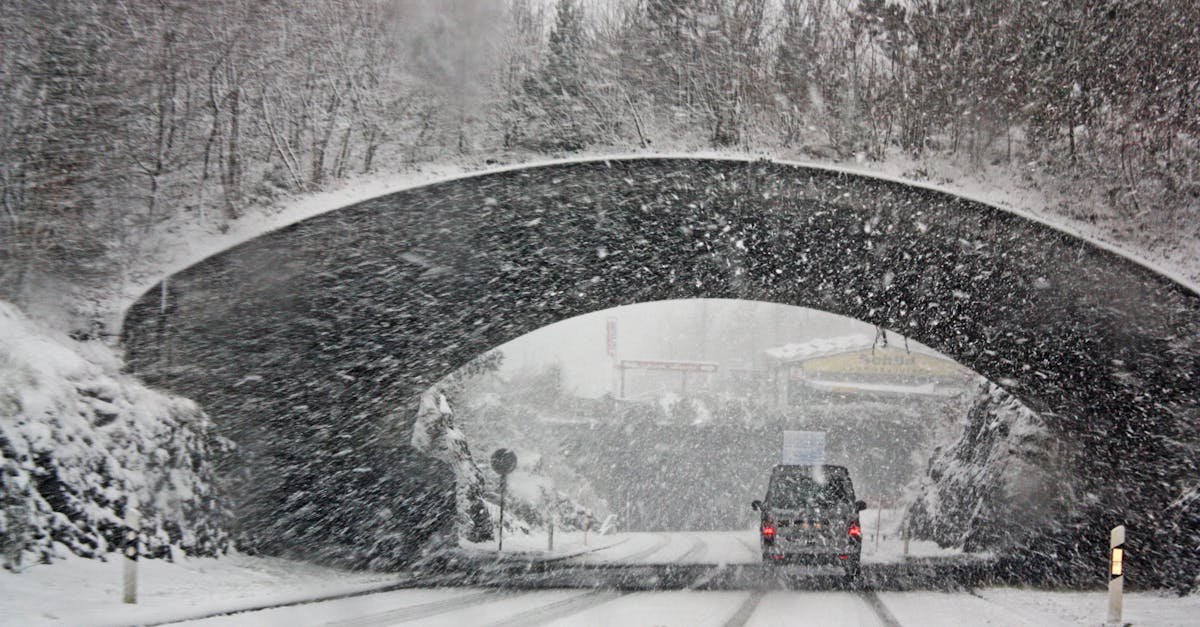
Massive Northeast Winter Storm Halts Air Travel
A fierce winter storm has engulfed the northeastern United States, bringing severe disruptions to northeast winter storm travel and creating hazardous conditions for both air and ground transportation. As of Monday morning, more than 5,500 flights were cancelled across multiple major hubs, including New York’s John F. Kennedy International Airport and LaGuardia Airport, as well as airports in Boston, Newark, Philadelphia, and Washington, D.C. This overwhelming halt in air service represents one of the most significant weather-related travel disruptions of the winter season.
Major Northeast Travel Disruptions Impact Millions
The storm is characterized by intense snowfall rates of up to 3 inches per hour and powerful winds exceeding 60 mph, leading to nearly impassable conditions throughout the region. According to the National Weather Service, some areas are experiencing “extremely treacherous” conditions, causing widespread northeast winter storm travel delays that extend far beyond aviation. Meteorologists have classified this weather system as a “classic bomb cyclone/nor’easter,” a phenomenon where atmospheric pressure rapidly drops by at least 24 millibars within 24 hours, creating exceptionally severe conditions.
The economic impact of the storm extends well beyond immediate travel inconvenience. Industry analysts estimate that each day of widespread flight cancellations costs airlines approximately $150 million in lost revenue, rebooking expenses, and crew repositioning costs. Hotels near affected airports report occupancy rates exceeding 95% as stranded passengers seek accommodation, with many properties implementing emergency pricing protocols.
Flight Cancellations and FAA Advisory Strain System
The Federal Aviation Administration (FAA) has issued comprehensive advisories urging travelers to stay informed through airline communications and consider alternative arrangements due to widespread winter storm flight cancellations. Ground stops remain in effect at major northeastern airports, with some facilities reporting zero visibility and runway conditions that make safe operations impossible. The impact extends beyond air travel; ground transportation systems face unprecedented challenges, with New York City implementing travel bans on non-emergency vehicles and Amtrak suspending service along critical Northeast Corridor routes.
Airport operations teams are working around the clock to maintain essential services, but de-icing equipment shortages and extreme wind conditions continue to hamper recovery efforts. Denver International Airport, despite being outside the storm’s direct path, reports significant delays as aircraft and crews remain stranded in northeastern hubs, creating a ripple effect across the national air transportation system.
Canadian Airlines Respond to Blizzard Conditions
The storm’s reach extends well beyond U.S. borders, significantly impacting Canadian aviation operations. Air Canada, WestJet, and Porter Airlines have implemented comprehensive flexible rebooking policies for travelers affected by the northeastern seaboard blizzard conditions. These carriers have waived change fees for flights scheduled through affected regions and are offering meal vouchers and hotel accommodations for passengers facing extended delays.
Toronto Pearson International Airport reports over 400 cancellations, while Montreal’s Pierre Elliott Trudeau International Airport has suspended most operations due to similar weather conditions moving northward. This cross-border impact demonstrates the interconnected nature of North American aviation networks and the cascading effects of severe weather events.
Long-term Implications for Northeast Winter Storm Travel
The National Weather Service continues monitoring additional weather systems that could compound current challenges, with forecasters predicting continued blizzard conditions through midweek. This prolonged timeline suggests that northeast winter storm travel disruptions may persist well beyond the storm’s immediate passage, as airlines require several days to fully recover from such extensive operational disruptions.
Aviation industry experts emphasize that climate change is increasing the frequency and intensity of extreme weather events, necessitating infrastructure improvements and operational adaptations. Airports are investing in advanced weather monitoring systems, enhanced de-icing capabilities, and improved passenger accommodation facilities to better handle future storms.
This unprecedented northeast winter storm travel crisis underscores the critical need for enhanced preparedness strategies and technological innovations in weather prediction and response. As severe weather patterns become increasingly common, the travel industry must continue evolving to protect passenger safety while maintaining operational resilience in challenging conditions.

