

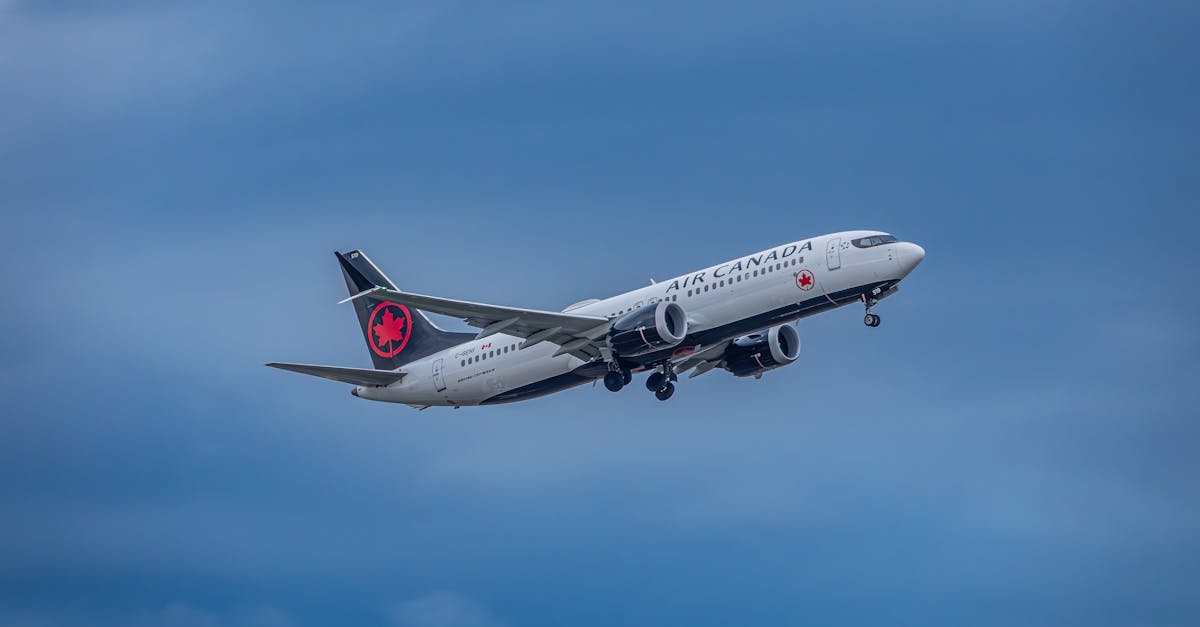
Canadian Airlines Suspend Cuba Flights Amid Fuel Crisis
Thousands of Canadian travelers face unexpected turmoil in their winter travel plans as Canadian airlines suspend Cuba flights due to a severe aviation fuel shortage unfolding in Cuba. This crisis erupted when Cuban authorities informed airlines about the fuel scarcity, expected to last from February 10 through at least March 11. Promptly responding, Canada’s main airline, Air Canada, had already halted all flights to Cuba by February 9, with many other carriers following suit.
The fuel shortage represents a critical infrastructure challenge for Cuba’s tourism sector, which relies heavily on international visitors to support its economy. Aviation fuel shortages are particularly devastating for island destinations like Cuba, where air travel serves as the primary gateway for international tourists. The timing of this crisis coincides with peak winter travel season, when thousands of Canadians traditionally escape cold temperatures for Cuba’s warm beaches and vibrant culture.
The impact of this travel disruption has been profound across Canada’s travel industry. Travel advisor Brenda Slater discussed the logistical nightmares this crisis has caused. “I’ve had to rebook a group of 250 travelers, nearly a year in preparation,” shared Slater. These trips aimed to deliver essential supplies to Cuba and are now indefinitely postponed. The ripple effects extend beyond individual travelers to humanitarian missions and business partnerships that depend on reliable air connectivity.

Despite attempting to redirect clients to alternative Caribbean locations such as Mexico and the Dominican Republic, Slater noted a unique longing among her clients: “For some, nothing can replace Cuba.” On social media, expressions of sympathy and frustration have poured in from affected Canadian travelers. Many have shared strong emotional ties to Cuba, with a user on a Cuban travel enthusiast’s Facebook page commenting, “It feels as though our cherished place on Earth is suffering, and there’s nothing we can do.”
Travel agencies are under immense burden, striving to secure refunds and arrange new travel plans without additional compensation. An agency manager elaborated, “Our agents are tirelessly navigating these unfortunate circumstances, managing client expectations amidst what many insiders describe as absolute chaos.” The situation has forced travel professionals to work extended hours while absorbing costs associated with rebooking and customer service demands.
Financially, the Cuba aviation fuel shortage poses a significant setback for airlines operating Caribbean routes. Idle aircraft accrue substantial daily costs even while grounded, including maintenance, insurance, and crew scheduling expenses. Rob Kokonis, President of AirTrav Inc., remarked on the pivot towards other sunny destinations as a means to cushion economic impacts tied to the grounded aircraft and associated operational costs.
Efforts to Manage Travel Disruption as Canadian Airlines Suspend Cuba Flights
In trying times, airlines prioritize the safe return of Canadians presently in Cuba. WestJet and Sunwing have organized specific repatriation flights to bring these travelers back. WestJet stated, “We’re committed to prioritizing our guests and crew, systematically winding down our winter operations to Cuba.” These emergency flights operate under special arrangements with Cuban authorities to ensure stranded tourists can return home safely.
The crisis has highlighted the interdependence between Canadian winter tourism and Caribbean destinations. Canada represents one of Cuba’s largest tourism markets, with hundreds of thousands of visitors annually contributing significantly to the island’s foreign currency earnings. This disruption threatens not only immediate travel plans but also long-term tourism relationships that have developed over decades.
As conditions shift, Canadian airlines remain vigilant about resuming operations. Air Canada has indicated they may adjust strategies based on evolving circumstances, committing to resuming Cuban services when feasible. Industry analysts suggest that fuel supply chains must be stabilized before normal operations can resume, requiring coordination between Cuban authorities and international fuel suppliers.
With these challenges impacting the tourism industry, broad effects on travelers and the aviation sector continue manifesting. Stakeholders hope for a swift resolution, paving a path for Cuba’s tourism industry to bounce back and retain its allure as a premier vacation spot for countless adventurers seeking authentic Caribbean experiences.
This incident highlights the vulnerabilities of tourism-dependent economies confronting infrastructure hurdles yet emphasizes Cuba’s enduring charm among Canadian travelers. As the winter travel season progresses, adaptive measures by travelers and airlines will be critical for establishing a foundation for future operations and maintaining the strong tourism ties between Canada and Cuba.

