

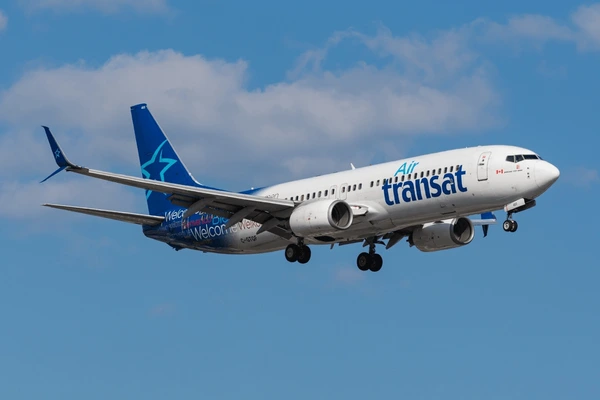
In a significant disruption to winter travel plans, Air Transat has announced the suspension of all flights to Cuba until April 30, 2026. This decision, unveiled on February 9, arises from an acute aviation fuel shortage in Cuba, which has also affected other major Canadian airlines, including Air Canada and WestJet.
Air Transat Halts Operations
Air Transat’s abrupt decision to cease operations aligns with announcements from Cuban authorities regarding insufficient jet fuel supplies. This Air Transat Cuba flight suspension means that passengers planning to visit the island will face significant hurdles until services resume. As a proactive response, the airline has committed to offering full refunds to passengers whose trips have not yet commenced. Furthermore, Air Transat is arranging repatriation flights to ensure the safe return for travelers currently stranded in Cuba.
An official statement from Air Transat confirmed, “Due to a jet fuel shortage announced by Cuban authorities and the recent evolution of the situation, Air Transat is temporarily suspending all flights to Cuba until April 30, 2026.” The airline reiterated its dedication to customer service, pledging direct communication with affected passengers while expressing apologies for the travel disruptions.
Industry-Wide Impact on Canadian Carriers
This fuel crisis is not isolated to Air Transat. Earlier on February 9, WestJet announced an immediate halt to its winter operations to Cuba, adopting an innovative strategy of using fuel-loaded aircraft for return journeys. Meanwhile, Air Canada, also impacted by the fuel shortage, has mirrored these actions, with plans to resume services contingent upon the resolution of the crisis by late April 2026.
The synchronized response from Canada’s three major carriers highlights the severity of Cuba’s fuel crisis. Industry analysts suggest that the shortage stems from broader economic challenges facing the island nation, including aging infrastructure and supply chain disruptions that have plagued the country’s aviation sector for months.
Economic Implications for Tourism Sector
Cuba’s tourism industry, which relies heavily on Canadian visitors during the winter months, faces substantial economic losses from these flight suspensions. Canadian travelers represent approximately 35% of Cuba’s annual tourist arrivals, with peak season bookings typically generating millions in revenue for the Caribbean destination.
The timing of these cancellations is particularly challenging, as February through April represents Cuba’s high season when hotels, resorts, and tour operators depend on steady visitor flows. Local businesses that cater to Canadian tourists, from transportation services to restaurants and entertainment venues, are expected to experience significant revenue shortfalls during this extended suspension period.
Implications for Canadian Travelers
Cuba, renowned for its spectacular beaches, historic Havana architecture, and vibrant cultural scene, remains a favored winter destination for Canadian travelers seeking warm-weather escapes. The suspension of flights by key operators underscores the severity of the fuel crisis, which has led to unprecedented travel disruptions affecting thousands of passengers.
These announcements highlight the airlines’ commitment to prioritizing passenger safety above operational challenges. Canadians looking to travel to the Caribbean region must now consider alternative winter destinations such as Dominican Republic, Jamaica, or Mexico, where fuel supply chains remain stable.
Travel insurance experts advise passengers to review their policies carefully, as coverage for airline-initiated cancellations due to fuel shortages may vary between providers. Many travelers are exploring rebooking options to other Caribbean destinations or postponing their winter vacation plans entirely.
The Road Ahead
As airlines work diligently to accommodate and repatriate passengers, the focus shifts to Cuban authorities and industry stakeholders to resolve the fuel shortage crisis. The Cuban government has acknowledged the severity of the situation and is reportedly working with international partners to secure emergency fuel supplies for its aviation sector.
Travelers are urged to remain updated through airlines and reliable Cuba travel news outlets for real-time developments. While the travel industry grapples with the ramifications of this unexpected crisis, there remains cautious optimism for a timely resolution.
Affected airlines remain hopeful that operations can resume by spring 2026, restoring confidence in Cuba as a critical winter travel hub. The broader travel sector will be monitoring whether the planned resumption in April 2026 can mitigate current concerns and bring stability back to Canadian airline operations, ensuring that future winter seasons proceed without similar disruptions.

