

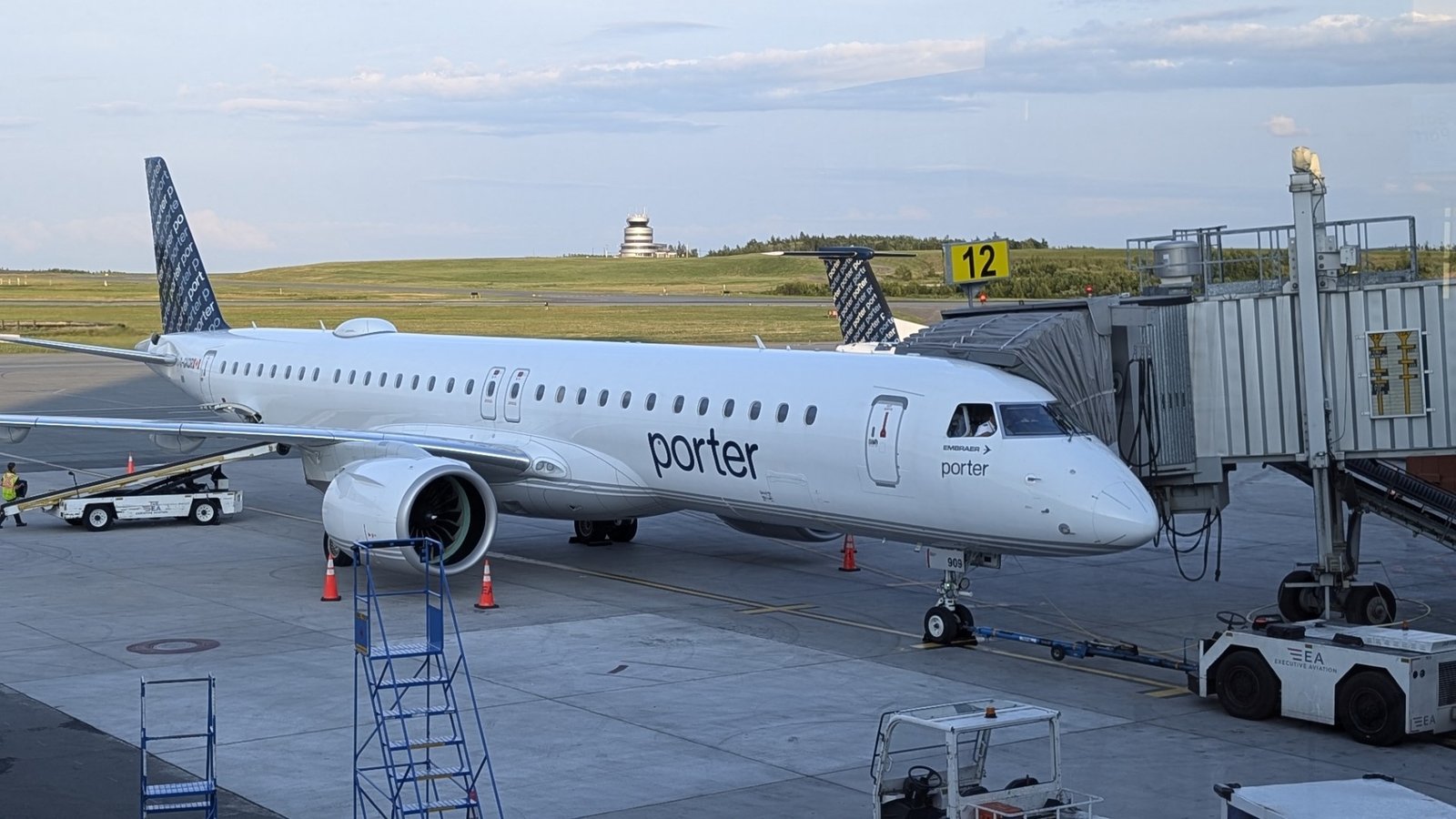
Porter Airlines Agreement: A Milestone in Labor Relations
Porter Airlines has reached a pivotal milestone in its labor relations journey by securing a tentative agreement with its flight dispatchers. The breakthrough, announced jointly with the Canadian Airline Dispatchers Association (CALDA), follows months of intense negotiations aimed at preventing a potential strike scheduled for January 20. This agreement underscores the vital importance that Porter Airlines places on maintaining operational harmony and supporting its workforce in an ever-evolving industry.
The Porter Airlines agreement represents more than just a labor deal—it signals the airline’s commitment to stability during a period of significant expansion and industry transformation. As the aviation sector continues to recover from pandemic-related disruptions while facing new challenges including staffing shortages and increased operational demands, this successful negotiation demonstrates how proactive labor relations can prevent costly disruptions to service.
Flight dispatchers serve as the backbone of airline operations, working behind the scenes to ensure every flight operates safely and efficiently. They meticulously plan flight paths, monitor weather patterns, coordinate with air traffic control, and make critical real-time decisions that directly impact passenger safety and schedule reliability. Recognizing this essential role, Porter engaged earnestly in the negotiation process to finalize its first collective agreement with this crucial workforce segment.
Understanding the Critical Role of Flight Dispatchers
Flight dispatchers operate as the nerve center of airline operations, wielding significant responsibility for flight safety and operational efficiency. Their duties extend far beyond basic scheduling—they serve as co-pilots on the ground, sharing legal responsibility with pilots for flight safety. Each dispatcher must hold specialized certification and undergo rigorous training to monitor multiple flights simultaneously across Porter’s expanding network.
In Porter’s case, these professionals oversee the airline’s growing fleet of Embraer E195-E2 aircraft and De Havilland Dash 8 turboprops, managing routes that span from Canada’s Maritime provinces to destinations across the northeastern United States. The complexity of their role has intensified as Porter has expanded its route network and increased flight frequency to meet growing demand for regional air travel.
The dispatcher’s workstation resembles a high-tech command center, featuring multiple computer screens displaying real-time weather data, aircraft positions, fuel calculations, and air traffic control communications. When severe weather threatens to disrupt operations, dispatchers work around the clock to reroute flights, arrange alternate airports, and coordinate with ground crews to minimize passenger inconvenience—a responsibility that became particularly challenging during the extreme weather events that have increasingly impacted aviation operations.
Acknowledging Vital Contributions
Kent Woodside, Executive Vice President and Chief Operations Officer of Porter Airlines, remarked on the outcome: “We’re very pleased to have come to a resolution with CALDA. Flight dispatchers are an integral part of our team. They perform crucial duties and we want them to continue doing so with a contract in place. Coming to terms on a first collective agreement often takes perseverance. We appreciate the commitment of everyone involved in doing so.”
Woodside’s comments reflect the airline’s recognition that operational excellence depends heavily on maintaining positive relationships with all employee groups. The executive’s emphasis on perseverance acknowledges the complexity involved in negotiating first-time collective agreements, where both sides must establish precedents for future labor relations while addressing immediate concerns about compensation, working conditions, and career development opportunities.
In agreement, Mark Yezovich, National President of CALDA, expressed satisfaction: “The Canadian Airline Dispatchers Association is pleased to confirm that a tentative agreement has been reached following negotiations at the bargaining table. This agreement reflects meaningful progress and a shared commitment to advancing our industry forward in a collaborative and respectful manner. CALDA looks forward to continuing to build on this relationship with Porter Airlines in the years ahead.”
Yezovich’s statement emphasizes the collaborative nature of the negotiations and hints at the long-term relationship-building that successful labor agreements foster. The mention of “advancing our industry forward” suggests that the agreement includes provisions that recognize the evolving nature of aviation operations and the increasing technological sophistication required in dispatcher roles.
These statements highlight a collaborative spirit that drove these discussions, facilitated by the Federal Mediation and Conciliation Service, a federal agency that plays a crucial role in helping resolve labor disputes in federally regulated industries like aviation. The involvement of federal mediators underscores both the importance of the negotiation and the commitment of both parties to finding common ground.
Securing Operational Harmony During Expansion
Toronto-based Porter Airlines is renowned for its premium short-haul services across Canada and the northeastern United States, operating from its primary hub at Billy Bishop Toronto City Airport. By reaching this tentative agreement, Porter secures its operational coherence and fortifies its commitment to sustaining harmonious labor relations amid ambitious expansion efforts that have seen the airline add new destinations and increase flight frequencies across its network.
The timing of this agreement is particularly significant given Porter’s recent growth trajectory. The airline has been adding new routes to destinations including Ottawa, Montreal, Halifax, and various U.S. cities, while simultaneously upgrading its fleet with more efficient aircraft. This expansion requires seamless coordination between all operational departments, making the stability provided by this labor agreement essential for maintaining the high service standards that differentiate Porter in the competitive regional aviation market.
Porter’s operational model emphasizes convenience and premium service, offering passengers amenities typically associated with larger carriers while maintaining the personalized attention possible with a regional airline. This service philosophy requires all team members, including dispatchers, to maintain exceptional performance standards—something that becomes more achievable when employees have job security and clear contractual terms governing their working conditions.
The forthcoming phase of this agreement process is the ratification vote, scheduled to take place in the coming weeks. During this crucial phase, CALDA members will have their say on whether to approve the terms proposed, ultimately determining the employment landscape for Porter’s flight dispatchers. The outcome of this vote will significantly influence continuity in service delivery and operational stability as Porter continues its growth plans.
Impact on Travelers and Service Quality
For travelers, this Porter Airlines agreement represents assurance of continued reliable service during what could have been a disruptive period. Flight dispatcher strikes can cause immediate and widespread flight cancellations, as airlines cannot legally operate without proper dispatch coverage. By avoiding this scenario, Porter protects its passengers from the inconvenience and additional costs associated with last-minute flight changes and cancellations.
The agreement also supports Porter’s reputation for operational reliability, a key factor that business travelers and leisure passengers consider when choosing airlines. In an era where flight delays and cancellations have become increasingly common across the industry, Porter’s proactive approach to labor relations helps maintain the operational predictability that customers value.
Furthermore, the successful negotiation demonstrates Porter’s commitment to maintaining the experienced workforce necessary to deliver consistent service quality. Experienced dispatchers develop intimate knowledge of route-specific challenges, seasonal weather patterns, and airport operational characteristics—expertise that directly translates to smoother travel experiences for passengers.
Industry-Wide Implications and Market Context
The successful outcome of this Porter Airlines labor deal is not just a triumph for the airline but also a stabilizing moment for the broader Canadian aviation sector. The industry, still navigating post-pandemic recovery challenges, requires stable workplace relationships to rebuild passenger confidence and operational efficiency. By securing its flight dispatchers through collaborative negotiation rather than work stoppage, Porter strengthens its operational foundation and enhances its competitive position in the demanding regional aviation market.
This agreement comes at a time when the aviation industry faces multiple pressures, including pilot shortages, air traffic control staffing challenges, and increased scrutiny of safety protocols. In this environment, maintaining experienced dispatch teams becomes even more critical, as these professionals often serve as the coordination hub for addressing operational disruptions and maintaining safety standards.
The broader implications extend to other Canadian airlines currently engaged in or approaching their own labor negotiations. Porter’s successful resolution provides a positive example of how collaborative bargaining can achieve outcomes that benefit both employers and employees while avoiding costly disruptions that ultimately impact passengers and the broader economy.
Industry observers note that this development enhances Porter’s reputation as a preferred employer in the aviation sector, potentially helping the airline attract and retain talent in a competitive job market. This advantage becomes particularly valuable as airlines compete for skilled aviation professionals in specialties like flight dispatch, where specific training and certification requirements limit the available talent pool.
Future Outlook and Strategic Implications
Looking ahead, this agreement positions Porter Airlines for continued growth while maintaining operational stability. The airline’s expansion plans, which include potential new routes and fleet additions, require the certainty that comes from having settled labor relations with key operational groups. The dispatcher agreement provides this foundation, allowing management to focus on strategic initiatives rather than labor disputes.
The agreement also establishes precedents for future negotiations with other employee groups, demonstrating Porter’s willingness to engage in good-faith bargaining while recognizing the value that skilled employees bring to the organization. This approach supports the airline’s long-term sustainability in an industry where success depends heavily on operational excellence and customer satisfaction.
As the aviation industry continues evolving with new technologies, environmental regulations, and changing passenger expectations, having stable relationships with key operational personnel becomes increasingly valuable. Flight dispatchers will play crucial roles in implementing new operational procedures, efficiency improvements, and safety protocols that emerge from industry development.
In conclusion, the Porter Airlines agreement with its flight dispatchers stands as a testament to the company’s commitment to its employees and operational success. As CALDA prepares for the impending ratification vote, this tentative agreement promises sustained partnerships benefiting all parties involved—the airline, its employees, and ultimately the passengers who depend on reliable air service. Porter’s proactive approach to labor relations emphasizes its dedication to maintaining seamless operations and upholding its distinguished standing in the competitive aviation marketplace.

