

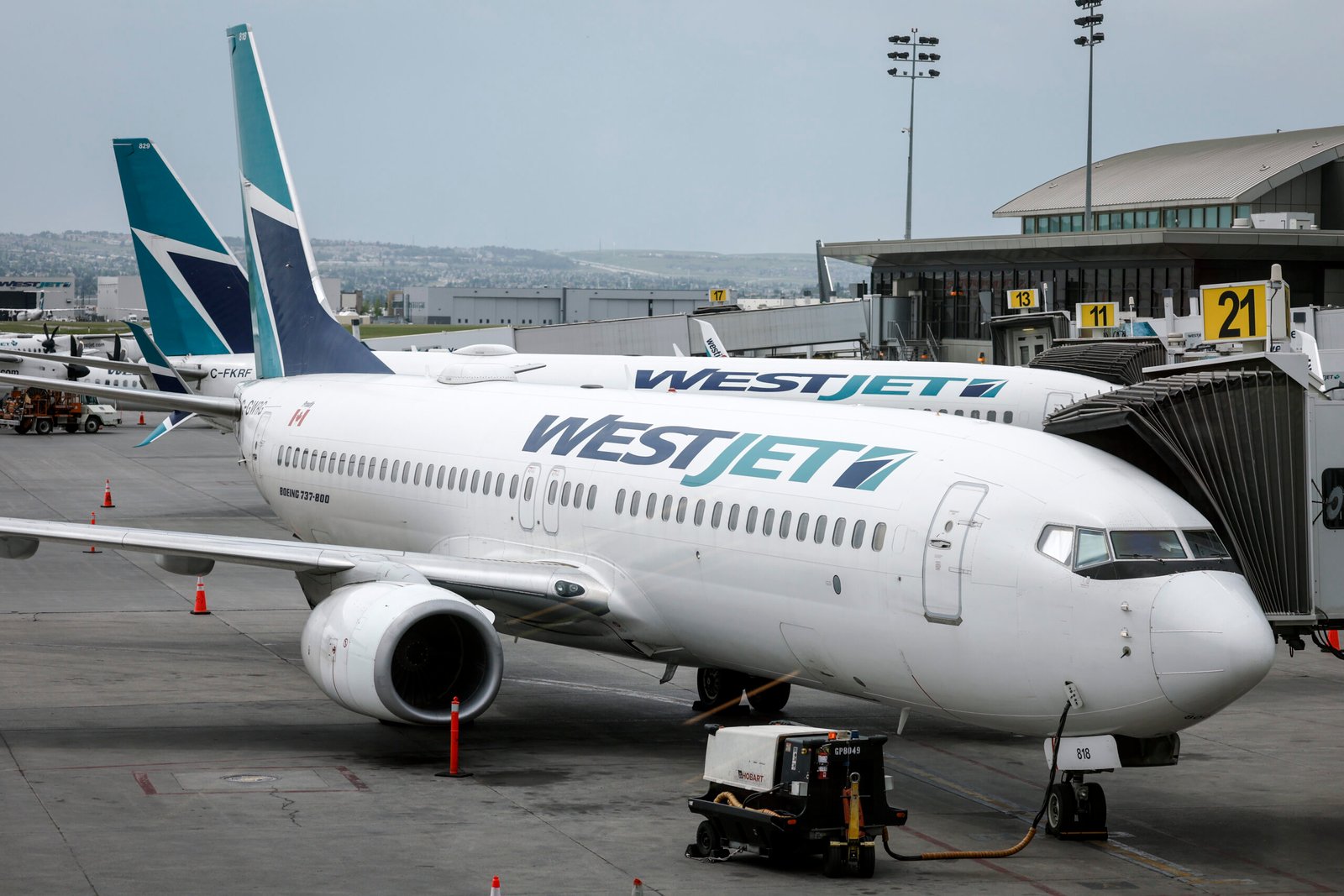
WestJet Seating Changes: Airline Reverts to Comfortable Layout Amid Feedback
In a significant victory for passenger rights advocates, WestJet has announced a major reversal in its WestJet seating changes policy, opting to restore more comfortable seating configurations across its fleet following an unprecedented wave of customer complaints. This decision represents one of the most substantial customer-driven policy reversals in recent aviation history, highlighting the growing power of passenger feedback in shaping airline operations and industry standards.
The Canadian carrier’s announcement comes after months of mounting pressure from travelers, industry watchdogs, and social media campaigns that brought widespread attention to the airline’s previously implemented tighter seating arrangements. WestJet’s commitment to reversing these changes demonstrates a strategic pivot toward prioritizing long-term customer satisfaction over short-term revenue optimization through increased seat density.
The Catalyst: Passenger Feedback Drives Major Policy Reversal
The turning point came when extensive passenger feedback revealed the true cost of WestJet’s previous seating strategy. The airline had initially implemented a more aggressive seating configuration featuring a 28-inch seat pitch, reducing legroom to accommodate additional passengers on each flight. However, this approach quickly backfired as customer satisfaction scores plummeted and complaints flooded social media platforms.
The situation reached a tipping point when a viral TikTok video showcased the uncomfortable reality of the cramped seating arrangement. The video, which garnered over 1.1 million views within days of posting, featured a passenger struggling to fit comfortably in their seat, highlighting the stark difference between WestJet’s previous comfortable configurations and the new, restrictive layout. The video sparked thousands of comments from fellow travelers sharing similar experiences and expressing frustration with the airline’s direction.
WestJet’s leadership recognized that the negative publicity and declining customer satisfaction posed a serious threat to the airline’s reputation and competitive position. CEO Alexis von Hoensbroech acknowledged in a company statement that “listening to our guests is paramount to our success, and their feedback has been overwhelmingly clear about the importance of comfort during their travel experience.”
Implementation Strategy and Timeline
The restoration process involves a comprehensive fleet-wide initiative that will see WestJet removing entire rows of seats from aircraft that had been reconfigured with the tighter arrangements. This ambitious undertaking requires significant logistical coordination and financial investment, as each aircraft must be temporarily removed from service for the reconfiguration process.
The airline has committed to completing the WestJet seating changes across its entire domestic and international fleet by the second quarter of next year. The process will begin with the most heavily utilized routes, particularly those serving business travelers and frequent flyers who had been most vocal in their criticism of the previous configuration.
Aviation maintenance experts estimate that each aircraft reconfiguration will take approximately 48-72 hours to complete, during which time the plane will be out of service. WestJet has indicated it will utilize overnight maintenance windows and strategically schedule reconfigurations during lower-demand periods to minimize disruption to passengers and flight schedules.
Financial Implications and Strategic Considerations
The decision to reverse the seating changes represents a significant financial commitment for WestJet, with industry analysts estimating the total cost of reconfiguration and lost revenue from reduced capacity could exceed $50 million. However, airline executives argue that the long-term benefits of improved customer satisfaction and brand loyalty far outweigh the immediate financial impact.
The move also reflects a broader strategic shift in the airline industry, where carriers are increasingly recognizing that customer experience can be a more powerful differentiator than low prices alone. WestJet’s decision positions the airline as a customer-centric carrier willing to sacrifice short-term profits for sustainable competitive advantages.
Financial analysts have responded positively to the announcement, with several major investment firms upgrading their outlook for WestJet stock. The consensus among market observers is that the airline’s willingness to respond decisively to customer feedback demonstrates strong leadership and a clear understanding of long-term value creation.
Industry Reaction and Competitive Implications
WestJet’s announcement has sent ripples throughout the aviation industry, with competitors closely monitoring passenger and market reactions to gauge whether similar reversals might be necessary for their own operations. Several major carriers have quietly begun reviewing their own seating configurations and customer satisfaction data in response to WestJet’s move.
Industry experts suggest that WestJet’s decision could trigger a broader trend toward improved passenger comfort across the sector. Dr. Sarah Mitchell, an aviation industry analyst at the International Air Transport Research Institute, noted that “WestJet’s willingness to prioritize passenger comfort over seat density could force competitors to reevaluate their own seating strategies, particularly if WestJet gains market share as a result.”
The Canadian airline industry, in particular, may see significant competitive shifts as a result of these WestJet seating changes. Air Canada and other domestic competitors are reportedly reviewing their own customer feedback data and considering whether similar adjustments might be necessary to remain competitive.
Enhanced Passenger Experience and Service Standards
Beyond the immediate seating improvements, WestJet has announced a comprehensive review of its entire passenger experience strategy. The airline plans to invest additional resources in cabin crew training, in-flight services, and ground operations to ensure that the improved seating arrangements are complemented by enhanced service across all touchpoints.
The carrier is also implementing new feedback mechanisms to ensure that future service decisions are informed by real-time passenger input. These include enhanced mobile app functionality, post-flight surveys, and dedicated customer experience teams tasked with monitoring social media and online reviews for emerging issues.
WestJet’s commitment extends to its loyalty program members, who will receive priority access to flights with the improved seating configurations as they become available. The airline has also announced plans to offer compensation or rebooking options for customers who experienced uncomfortable flights during the period when the tighter seating was in effect.
Technology and Innovation in Passenger Comfort
As part of its renewed focus on passenger comfort, WestJet is also investing in advanced seating technologies and cabin innovations. The airline has partnered with leading aircraft interior manufacturers to develop next-generation seating solutions that maximize both comfort and efficiency.
These technological improvements include ergonomically designed seat cushions, improved recline mechanisms, and enhanced personal space features such as larger tray tables and improved armrest configurations. The airline is also exploring innovative storage solutions and power connectivity options to address the evolving needs of modern travelers.
The integration of passenger feedback systems directly into seat design and cabin layout planning represents a significant advancement in how airlines approach customer experience. WestJet’s commitment to data-driven decision making in this area could serve as a model for other carriers seeking to balance operational efficiency with passenger satisfaction.
Environmental and Sustainability Considerations
While the WestJet seating changes will result in reduced passenger capacity per flight, the airline is committed to maintaining its environmental sustainability goals through operational efficiency improvements and fleet optimization. The carrier plans to offset the increased per-passenger environmental impact through enhanced fuel efficiency measures and route optimization.
WestJet has also announced plans to accelerate its fleet modernization program, prioritizing the acquisition of more fuel-efficient aircraft that can provide both improved passenger comfort and reduced environmental impact. This dual focus on customer satisfaction and environmental responsibility reflects evolving consumer expectations and regulatory requirements.
Looking Ahead: The Future of Airline Passenger Experience
WestJet’s decision represents more than just a seating policy reversal; it signals a fundamental shift in how airlines approach the balance between profitability and passenger satisfaction. As travel demand continues to recover and evolve post-pandemic, passengers are increasingly prioritizing comfort and experience over price alone.
The success of WestJet’s strategy will likely influence industry-wide approaches to passenger experience, potentially leading to a new era of competition based on comfort and service quality rather than solely on ticket prices. This evolution could benefit passengers across the industry as airlines seek to differentiate themselves through superior customer experience.
Industry forecasters predict that airlines implementing similar customer-focused strategies will see improved brand loyalty, higher customer lifetime value, and stronger financial performance over the long term. WestJet’s bold move may well prove to be a catalyst for positive change throughout the aviation sector.
As WestJet begins implementing these comprehensive WestJet seating changes across its fleet, the airline industry will be watching closely to measure the impact on customer satisfaction, competitive positioning, and financial performance. The success of this initiative could very well reshape how airlines approach passenger experience in the years to come, marking a return to service-focused competition that benefits travelers worldwide.

