

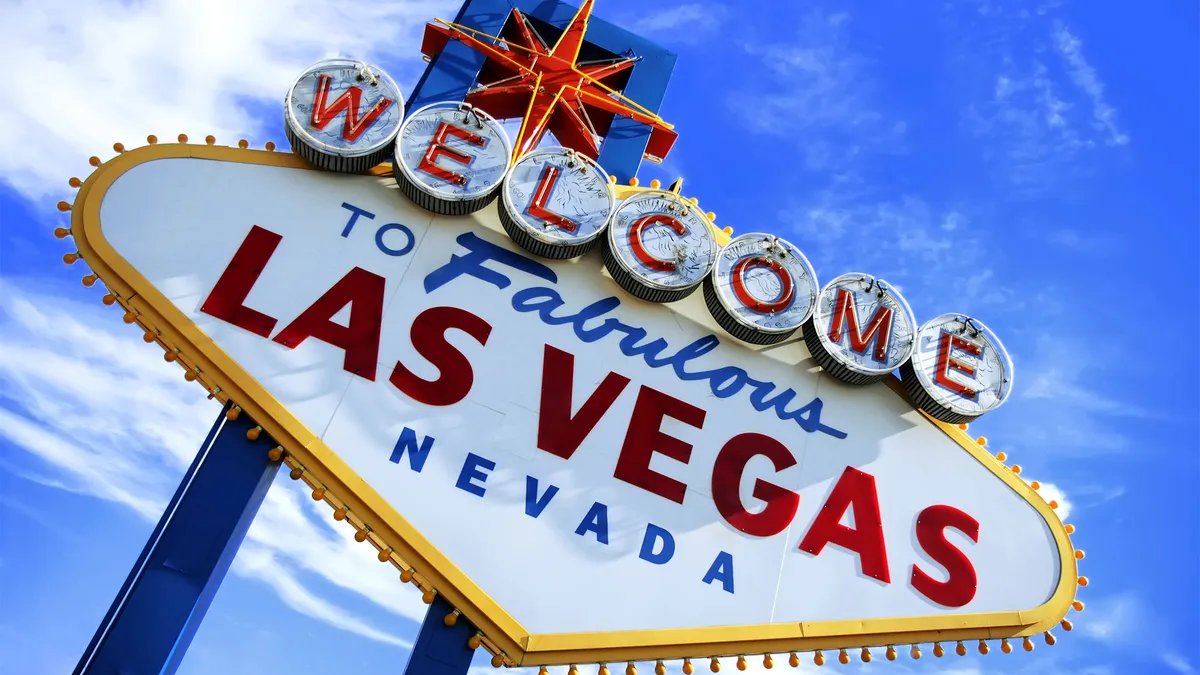
A recent economic study conducted by the Center for Business and Economic Research (CBER) at the University of Nevada, Las Vegas, indicates that visitation to Las Vegas is expected to rebound in 2026. Projections suggest that southern Nevada will attract approximately 40.1 million visitors, representing an increase of about 2.4% compared to this year, which is estimated to see around 39.1 million tourists. This decline marks a 6% drop from 2024 but encompasses a variety of economic factors that tourism officials continue to monitor closely.
As we look to the future, the upcoming holiday season, including events like the National Finals Rodeo, is likely to affect final visitation numbers for 2025, which will be available in February. The report from CBER attributes the current economic landscape to a slowing national economy that has a significant impact on the local economy in Nevada.
Key challenges that have emerged include consumer uncertainty, rising tariffs, and personal debt, which have collectively influenced spending habits. However, there is potential for relief as the report notes that lower interest rates and federal economic stimulus could provide a buffer against economic downturns. CBER’s director Andrew Woods highlighted the uncertainties surrounding economic conditions, noting that immediate recession isn’t projected, hinting at a gradual stabilization over time.
Tourism revenues have been feeling the pinch, with a 14% decline in room taxes and gaming fees, totaling around $91 million in the first quarter of the 2025-26 fiscal year. This downtrend can largely be attributed to reduced discretionary spending among consumers. Steve Hill, president and CEO of the Las Vegas Convention and Visitors Authority (LVCVA), stressed that this pullback is a direct response to the current uncertainties within the national economic environment.
Addressing the Tourism Slump
In light of the tourism decline, local officials and executives are keen to counteract perceptions that Las Vegas has lost its value as an affordable destination. The ongoing messaging includes campaigns promoting diverse experiences accessible at various price points. Despite the challenges, executives like Caesars Entertainment’s CEO Tom Reeg acknowledged that there has been a notable decline in leisure demand, with revenues witnessing nearly a 10% dip down to $952 million in the recent quarter.
In further remarks, Reeg pointed out that adjustments are being made in pricing strategies, recognizing that some aspects of the Vegas experience may have become misaligned with customer expectations. Likewise, MGM Resorts International’s CEO Bill Hornbuckle emphasized the need for the city to regain control of its narrative after a challenging summer. MGM reported a 7% revenue decline to $2 billion across its Strip resorts during the third quarter.
In an effort to recalibrate visitor expectations, these companies have been reviewing customer preferences and implementing necessary adjustments to their pricing structures. Hornbuckle mentioned the need to reassess costs for everyday items, emphasizing the importance of creating a balanced value experience for visitors. Critiques concerning pricing, such as a $12 coffee at a resort, have led to widespread discussions around perceived value and costs of services offered in Las Vegas.
To boost tourism, various initiatives, including a cyber sale designed to stimulate bookings into 2026, are underway. These efforts are part of a larger citywide campaign aimed at enticing travelers back to the region. As Las Vegas prepares for a challenging winter, business leaders remain optimistic about the potential for recovery and growth in the years to come.

