

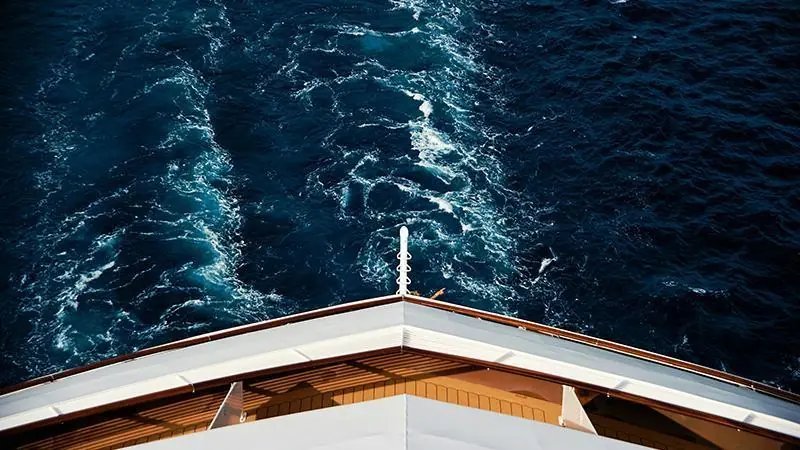
The surge in cruise ship travel over the last decade has raised significant concerns regarding its environmental and social implications. As global cruise tourism continues to expand, understanding the real cost of cruises is paramount for responsible travel.
The Environmental Impact of Cruise Ships
Cruise ships contribute substantially to marine pollution. The sheer size and number of these vessels mean that they produce massive amounts of waste, including oil, sewage, and solid waste. According to the International Maritime Organization, these ships can discharge approximately 1,000 gallons of sewage into the ocean every day. This pollution not only contaminates marine ecosystems but also threatens the health of coastal communities.
Carbon Footprint: A Growing Concern
Cruising is one of the most carbon-intensive forms of travel. The Environmental Protection Agency estimates that a cruise ship emits the same amount of air pollution as 12,000 cars. With the industry expecting to double in size by 2030, the carbon footprint from this mode of travel is projected to increase dramatically. Travelers must weigh this environmental cost against the allure of cruising.
Economic Impact on Local Communities
Though cruise ships bring tourists and potential revenue to local economies, the benefits are often unevenly distributed. Large cruise companies typically retain a significant portion of the money spent on board, leaving local businesses little to gain. Reports indicate that only about 20% of passenger spending ends up in port communities. Moreover, the transient nature of cruise tourism can disrupt local culture and lead to overtourism in small destinations.
Health Risks and Safety Concerns
The close quarters on cruise ships can lead to outbreaks of illnesses, as evidenced during the COVID-19 pandemic. Cruise passengers are often at risk of contracting norovirus and other contagious diseases, which can spread rapidly among travelers in confined spaces. As many cruise lines tighten health protocols in response to these challenges, travelers are encouraged to stay informed about onboard health measures.
The Social Costs of Overcrowding
Popular cruise destinations can experience severe overcrowding, leading to a negative experience for both tourists and local residents. Cities like Venice and Dubrovnik are grappling with the consequences of thousands of visitors flooding their streets daily. To manage this issue, some ports are implementing measures like visitor caps and increased fees.
Alternative Sustainable Travel Options
Travelers seeking a more sustainable experience can explore alternative modes of transportation, such as eco-friendly expeditions or land-based vacations that support local economies without overwhelming them. Many tour operators now focus on sustainable travel practices, allowing tourists to experience rich cultures without the drawbacks associated with mass tourism.
Conclusion: Making Informed Choices
As the cruise industry continues its rapid growth, travelers must make informed decisions that consider the broader implications of their choices. Understanding the real cost of cruises—environmentally, socially, and economically—can lead to more responsible travel practices. By exploring alternative options and supporting sustainable travel initiatives, tourists can enjoy their adventures while minimizing their impact on the planet.
For those interested in learning more about sustainable travel options and the environmental cost of tourism, Sustainable Travel International provides valuable resources for eco-conscious adventurers.

