

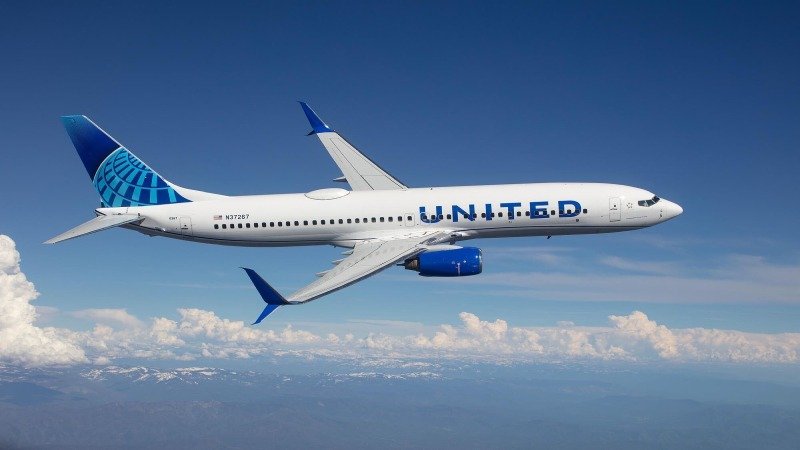
United Airlines (UA) has announced significant changes to its operations amid a noticeable decline in both domestic travel within the United States and inbound travel to the country. The airline plans to reduce its domestic capacity by 4% and is taking the step of retiring 21 of its aircraft earlier than initially planned. These adjustments are part of the airline’s strategy to adapt to the shifting landscape of air travel demand.
Prudent Adjustments to Operations
In a statement, UA emphasized that these measures are “prudent adjustments” aimed at optimizing the utilization rate of its fleet. The airline is focusing on “ongoing reductions in off-peak flying on lower demand days,” which reflects a strategic response to changing consumer behaviors and preferences. As travel patterns evolve, airlines must remain agile to ensure operational efficiency and profitability.
Impact on Air Travel Dynamics
The decision to cut domestic capacity and retire aircraft faster highlights a broader trend in the aviation industry, where airlines are recalibrating their operations in light of fluctuating demand. United Airlines’ strategic moves suggest a careful assessment of market conditions, leading to a planned reduction in flight offerings during periods of lower passenger traffic.
Adaptation to Consumer Behavior
The measures taken by United Airlines underscore the airline’s commitment to aligning its services with consumer demand. By scaling back on off-peak flights, UA can better manage its resources and potentially improve customer experience by focusing on more popular travel times. This strategic pivot aims to enhance operational sustainability and ensure the airline remains competitive in a changing travel environment.
For more detailed insights into United Airlines’ capacity adjustments and the implications for the travel industry, you can read the full story on Travel Weekly.
By adapting to the current travel landscape, United Airlines is taking proactive steps to maintain its position as a significant player in the aviation market while navigating the complexities brought on by varying travel demands.

